The dulzaina and tamboril drum accompany the giants and big-headed figures through Torrevieja during the patron saint festivities.
- 1830
Dulzaina at local festivities.
- 1904
First mention of giants and big-headed figures.
- 1940
La Charamita returns.
- 1955
A new troupe debuts.
Giants and big-headed figures
La Charamita is one of Torrevieja’s best-loved and most recognisable popular traditions. Every year, during the town’s patron saint festivities, a troupe of giants and big-headed figures parades through the streets to the sound of the dulzaina, a wind instrument known locally as the charamita, and the tamboril drum, filling them with music, joy and fun.
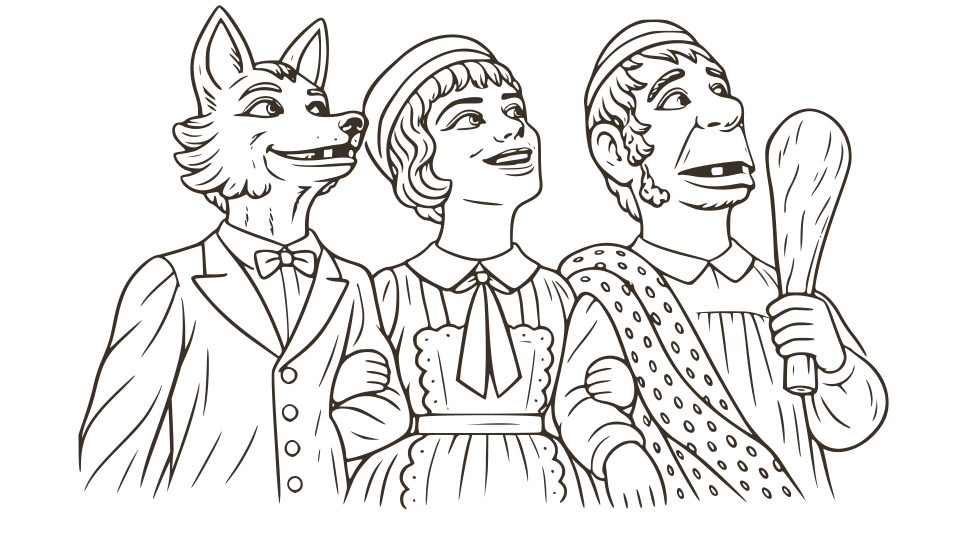
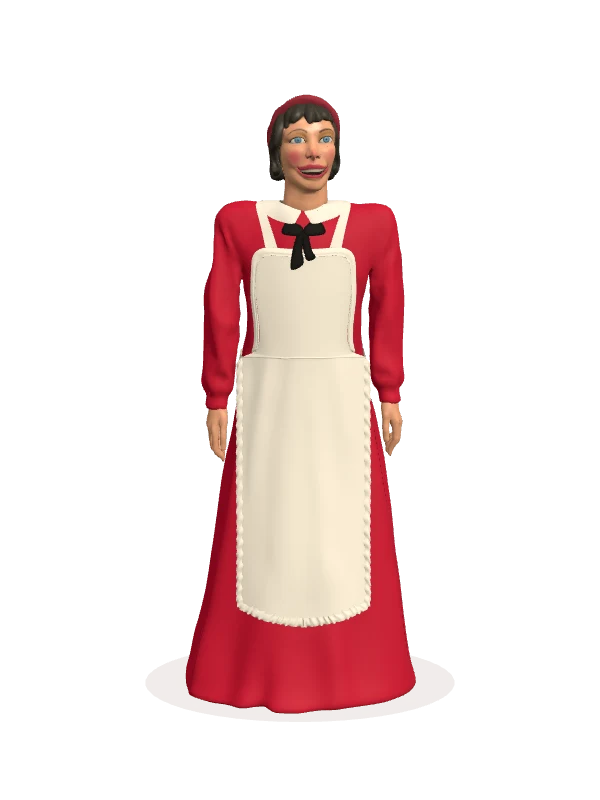
Its best-known characters are the three giants, La Lily, El Lobo and El Ogro, who stand out for their size and distinctive movements. They are joined by the cabezudos, shorter figures with exaggerated features who set off chases, laughter and moments of fun. This interaction with the public makes each Charamita outing a celebration in which generations of Torrevieja residents take part.
The earliest parades

The origins of this tradition date back to at least 1830, when records mention a musician named Simeón playing the dulzaina during the celebrations marking Torrevieja’s establishment as an independent municipality. The first documented reference to a parade of giants and big-headed figures appears in the programme for the patron saint festivities of 1904, although the tradition probably began earlier.
The giants of 1955

After the difficult years of the Spanish Civil War, La Charamita returned to the streets of Torrevieja in 1940. Later, in 1955, a new troupe of giants and big-headed figures was introduced, made by the Mirete Sáez brothers of Murcia, with characters inspired by the cinema of the time. In particular, its three emblematic giants were inspired by characters from the American musical film Lili, released in Spain in 1954. This renewal marked a milestone in La Charamita’s history and helped shape the tradition we know and enjoy today.